K – 5

Grades Served

2 Pods

K–2 & Grades 3–5

Daily

Outdoor Learning

Whole

Child Centered

Narrative

Progress Reports

Small Groups

Targeted Instruction

Serious Academics. Joyful Learning.

Forest Hill is a small elementary school built around strong academics, outdoor learning, close relationships, practical life skills, and student ownership. Our goal is to help children become confident readers, clear writers, mathematical thinkers, and careful observers.

Students learn through direct instruction, structured practice, small groups, outdoor exploration, field experiences, daily recess, hands-on work, and meaningful routines that build independence.

Schedule a Visit
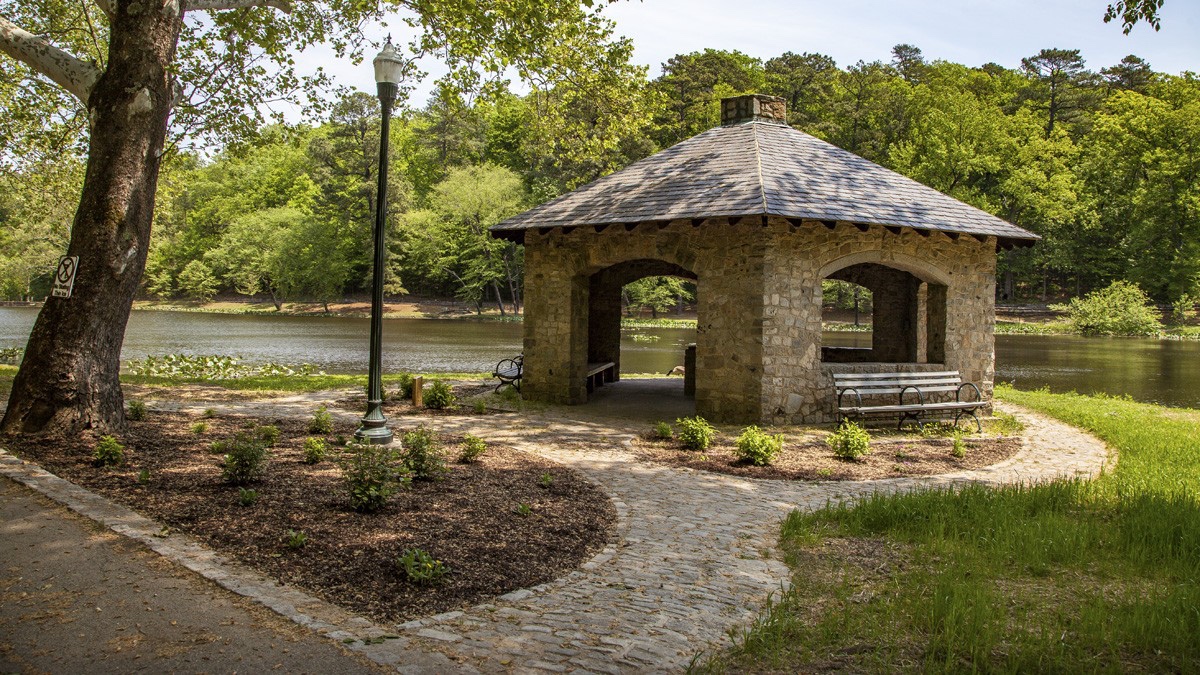
The stone gazebo at Forest Hill Park

The Young Explorers Program

Students stay connected to their age-level pod while moving into targeted small groups for specific skills. Movement between groups is normal and reflects growth, readiness, and instructional need — not labels.

Kindergarten – Grade 2

K–2 Young Explorers Pod

Early literacy, phonics, handwriting, oral language, number sense, play, routines, self-regulation, and curiosity.

  • Flexible small groups by skill level
  • Daily phonemic awareness & UFLI phonics
  • Handwriting Without Tears practice
  • Read-alouds, outdoor discovery, guided play
  • Heggerty phonological awareness (daily)

Grades 3 – 5

3–5 Young Explorers Pod

Reading comprehension, written expression, mathematical reasoning, research, science investigation, social studies, leadership, and independence.

  • Targeted skill instruction by readiness
  • Interdisciplinary projects & field journals
  • Research, leadership roles, presentations
  • Outdoor learning & field trips
  • Growing independence & accountability

What Students Learn, K–5

GradeReading Overview
KConcepts of print, alphabet knowledge, phonemic awareness, beginning decoding, listening comprehension, and love of books.
1Decoding, fluency, high-frequency words, oral reading, retelling, sequencing, vocabulary, fiction, and nonfiction.
2Fluent reading, chapter books, informational text, vocabulary, character, main idea, and written reading responses.
3Reading to learn, fiction, nonfiction, poetry, biographies, folktales, main idea, inference, and discussion.
4Longer texts, summary, theme, character analysis, source comparison, nonfiction comprehension, and evidence.
5Novels, historical fiction, primary-source excerpts, science texts, essays, poetry, and independent reading projects.
Instructional Tools: UFLI Foundations (K–2 phonics & decoding), Heggerty Approach (K–2 phonemic awareness), Living Books (K–5 comprehension & vocabulary), Handwriting Without Tears (letter formation).

Outdoor Learning Is Not an Extra

Students go outside daily for recess, movement, nature observation, field journals, science, reading, writing, sketching, measurement, and community-building. Outdoor play occurs every day, including in rain and cold, unless weather creates a safety concern.

PodNature Observation
K–2Seasonal changes, plants and insects on the school grounds, weather patterns, cloud types, bird watching, soil investigation, and simple sketching from observation.
3–5Ecosystem relationships, local wildlife, water cycles, erosion evidence, plant identification, field documentation, and connecting observations to science concepts studied in class.
Why It Matters: Builds scientific thinking, vocabulary, patience, attention to detail, and evidence-based discussion. Observation is the foundation of all science.

Specials: World Languages, Music & Art

Specials are organized by pod so instruction stays developmentally appropriate. They are not add-ons — they support language development, creativity, cultural awareness, fine-motor growth, confidence, and student ownership.

PodWorld Languages Overview
K–2Songs, greetings, colors, numbers, classroom words, movement, games, simple phrases, stories, and cultural connections. The emphasis is joyful exposure, listening, speaking, and confidence.
3–5Practical vocabulary, conversational phrases, cultural awareness, pronunciation, short written responses, and connections between Spanish, geography, music, food, art, and community life.
Why World Languages Matter: Early language exposure builds cultural awareness, phonemic sensitivity, and a foundation for fluency. World language study connects children to global communities and diverse cultures.

Progress Reports, Not Letter Grades

Forest Hill does not use traditional grades as the primary way to describe student learning. We believe elementary students are learning how to learn — developing skills, habits, confidence, independence, stamina, curiosity, and ownership. A single letter or number grade often does not accurately tell that story.

Forest Hill is structured, intentional, and academically serious. We simply believe that young children deserve feedback that accurately reflects growth.

Narrative Progress Reports

Teachers describe what the student is learning, where they're growing, what skills are emerging, and what next steps are needed.

Skill-Based Evidence

Reading growth, phonics skills, writing samples, math reasoning, science observations, field journals, projects, and classroom participation.

Student Work Samples

Families see actual evidence through writing, notebooks, drawings, journals, math work, presentations, and portfolios.

Conferences & Communication

Teachers communicate with families about progress, work habits, strengths, areas for growth, and next instructional steps.

Whole Child, Purposeful Learning

Forest Hill does not assign routine homework in the elementary grades. After a full school day, children should have time to be with family, play outside, read for pleasure, rest, help at home, attend activities, and develop a healthy rhythm beyond school.

"Families should not mistake the absence of routine homework for a lack of structure or academic expectation. Forest Hill students work hard during the school day through direct instruction, small groups, skill practice, assessment, written work, reading, math tasks, science notebooks, field journals, and project work."

Families are encouraged to read together, visit parks and libraries, cook, count, build, explore, and ask questions. Those experiences support the curiosity and language development that matter deeply in elementary school.

2026–2027 Supply List

Please label personal items with your child's name. Shared classroom supplies do not need to be labeled. Supplies may need to be replenished during the year.

Kindergarten – Grade 2

  • Backpack (large enough for a folder and change of clothes)
  • Reusable water bottle
  • Headphones, over-the-ear preferred; no wireless earbuds
  • Plastic pencil box
  • 2 boxes of 24-count crayons & 1 pack washable markers
  • 24 pre-sharpened #2 pencils & 8–12 glue sticks
  • 1 pair child-safe blunt-tip scissors
  • 2 primary composition journals or primary notebooks
  • 2 plastic two-pocket folders
  • 1 pack black dry-erase markers & 1 pack large erasers
  • 1 complete change of clothes in a labeled bag

Grades 3–5

  • Backpack & reusable water bottle
  • Headphones or earbuds with standard plug
  • Zippered pencil pouch or pencil box
  • 36–48 #2 pencils; no mechanical pencils preferred
  • Blue or black pens, colored pencils or markers, crayons
  • 6–8 glue sticks & scissors
  • 4–5 composition notebooks
  • 4–5 plastic two-pocket folders
  • 1 pack wide-ruled notebook paper & 2 highlighters
  • 1 pack black dry-erase markers
  • Index cards or sticky notes

Shared Classroom Supplies — Each Student

  • 2 boxes of facial tissues
  • 1 large bottle of hand sanitizer
  • 1 container of disinfecting wipes
  • 1 roll of paper towels
  • 1 box gallon-size resealable bags
  • 1 pack baby wipes (especially K–2)

Please do not send: toys, permanent markers, personal electronics, or expensive supplies that cannot be shared or stored safely.

Come See the School in Action

The best way to understand what Forest Hill does is to visit. Schedule a tour and see the learning pods for yourself.

Apply for 2026–27 Schedule a Tour